

Why Search Engine Optimization Matters for Every Modern Website
The internet has transformed how businesses, organizations, and individuals share information with the world. Every day, billions of searches are conducted through platforms like Google and other search engines. In such a competitive environment, websites must rely on structured strategies to ensure their content is visible to the right audience. Search Engine Optimization (SEO) plays a vital role in helping websites appear prominently in search engine results pages.
Search engine optimization refers to a collection of techniques designed to improve a website’s ranking in organic search results. According to research published by Wikipedia, SEO involves improving website content, structure, and authority so that search engines can better understand and rank pages for relevant queries. Websites that implement strong SEO strategies often gain more traffic, higher credibility, and stronger brand visibility.
A website without proper optimization can easily disappear among millions of competing pages. Even high-quality content may remain undiscovered if search engines cannot effectively index and interpret it. For this reason, SEO has become an essential component of digital marketing strategies across industries.
Businesses ranging from local shops to multinational corporations invest heavily in SEO because organic traffic is both sustainable and cost-effective. Unlike paid advertisements that stop generating traffic once budgets expire, optimized content can continue attracting visitors for years. Understanding the foundations of SEO therefore becomes crucial for website owners, marketers, and content creators who want long-term digital success.
Understanding How Search Engines Work
Before implementing SEO strategies, it is important to understand how search engines operate. Platforms like Google use automated systems called crawlers or spiders to scan and index web pages across the internet. These crawlers analyze content, links, and technical structure to determine how pages should appear in search results.
Search engines typically follow three core processes:
- Crawling
- Indexing
- Ranking
Each stage plays a crucial role in determining whether a page becomes visible to search users.
Crawling: Discovering Web Pages
Search engines begin by discovering pages through crawling. Bots navigate the web by following hyperlinks from one page to another. When a new page is discovered, the crawler scans its content, metadata, and structure.
Factors that influence crawlability include:
- Internal linking structure
- XML sitemaps
- Robots.txt directives
- Page loading speed
- Server accessibility
If search engines cannot properly crawl a website, the pages may never appear in search results regardless of content quality.
Indexing: Organizing Content for Search
After crawling, search engines store information about pages in their index. The index acts as a massive database containing billions of web pages categorized by topics, keywords, and relevance signals.
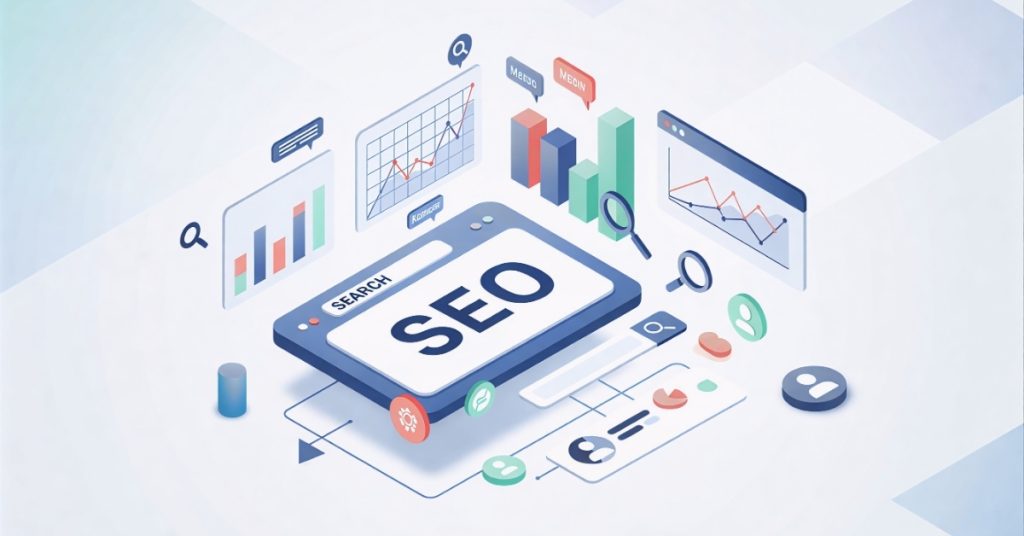
Search engines analyze several elements during indexing:
- Page titles
- Headings
- Text content
- Images and media
- Structured data
- Internal and external links
Properly structured content improves the likelihood that search engines will understand what a page is about.
Ranking: Determining Search Results Order
When users perform a search query, the search engine analyzes its index and ranks pages based on relevance and authority. Ranking algorithms evaluate hundreds of factors to determine which pages appear first.
Some well-known ranking factors include:
- Content relevance
- Website authority
- User experience
- Page speed
- Mobile compatibility
- Backlink profile
According to insights shared by Google Search Central, the goal of ranking systems is to provide users with the most helpful and reliable information available.
Core Components of Search Engine Optimization
SEO is not a single tactic but a combination of strategies that work together. Professionals generally divide SEO into three major components.
| SEO Component | Description | Key Focus |
|---|---|---|
| On-Page SEO | Optimizing elements within the website | Content, headings, keywords |
| Technical SEO | Improving technical structure | Speed, indexing, site architecture |
| Off-Page SEO | Building authority through external signals | Backlinks, brand mentions |
Each component plays a unique role in strengthening a website’s ability to rank in search results.
On-Page SEO: Optimizing Content and Structure
On-page SEO focuses on elements directly within the webpage. It ensures that content is relevant, structured, and easy for both users and search engines to understand.
Key on-page elements include:
- Page titles
- Meta descriptions
- Heading structure
- Keyword relevance
- Image optimization
- Internal linking
Effective Content Optimization
High-quality content forms the foundation of any successful SEO strategy. Search engines prioritize content that provides genuine value to users.
Characteristics of strong SEO content include:
- Clear topic focus
- Accurate information
- Logical structure
- Comprehensive coverage
- Natural keyword usage
Search engines increasingly evaluate content quality through sophisticated algorithms that analyze context and user engagement.
Proper Heading Structure
Using hierarchical headings improves both readability and SEO. A typical structure includes:
- H1 for the main topic
- H2 for major sections
- H3 for subsections
- H4–H6 for deeper details
This structure helps search engines understand the logical flow of information on a page.
Technical SEO: The Invisible Engine Behind Websites
While content attracts readers, technical SEO ensures that search engines can properly access and interpret the site.
Important technical SEO elements include:
- Website speed
- Mobile friendliness
- Secure HTTPS connections
- Structured data markup
- XML sitemaps
- Clean URL structure
Site Speed and Performance
Website speed directly influences both search rankings and user satisfaction. Slow loading pages often cause visitors to leave quickly, increasing bounce rates.
Common speed optimization techniques include:
- Compressing images
- Enabling browser caching
- Using content delivery networks (CDNs)
- Reducing server response time
Research from Google PageSpeed Insights shows that faster websites significantly improve user engagement and conversion rates.
Mobile Optimization
With mobile devices accounting for the majority of internet usage, mobile-friendly design has become essential.
A mobile-optimized website should:
- Use responsive layouts
- Display readable text without zooming
- Provide easy navigation
- Load quickly on mobile networks
Search engines prioritize mobile versions of websites through mobile-first indexing.
Off-Page SEO: Building Authority and Trust
Off-page SEO focuses on signals that originate outside the website. These signals help search engines determine how trustworthy and authoritative a site is.
The most important off-page factor is backlinks.
What Are Backlinks?
Backlinks are links from one website to another. When reputable websites link to a page, search engines interpret the link as a vote of confidence.
However, not all backlinks carry equal value. Quality matters far more than quantity.
Factors influencing backlink quality include:
- Domain authority
- Relevance of linking website
- Anchor text context
- Link placement within content
Common Off-Page SEO Strategies
Websites often build authority through the following methods:
- Guest blogging
- Digital PR campaigns
- Industry partnerships
- High-quality content marketing
- Social media visibility
According to studies published by Ahrefs, websites with strong backlink profiles consistently outperform competitors in organic search rankings.
Keyword Research: The Backbone of SEO Strategy
Keywords represent the terms users type into search engines. Effective keyword research helps websites create content that matches real search intent.
SEO professionals typically analyze three factors when selecting keywords.
| Keyword Factor | Explanation |
|---|---|
| Search Volume | Number of searches per month |
| Competition | Difficulty level to rank |
| Search Intent | Purpose behind the search |
Types of Search Intent
Understanding search intent improves content targeting.
The four primary types include:
- Informational – users seeking knowledge
- Navigational – users searching for a specific website
- Transactional – users planning a purchase
- Commercial investigation – users comparing options
Matching content to the correct search intent significantly improves ranking potential.
The Role of User Experience in SEO
Modern search algorithms increasingly prioritize user experience signals. A website that provides helpful information but delivers a poor browsing experience may struggle to rank well.
Important user experience factors include:
- Page readability
- Navigation simplicity
- Visual clarity
- Accessibility
- Engagement metrics
Core Web Vitals
Google introduced Core Web Vitals as measurable indicators of user experience.
| Metric | What It Measures |
|---|---|
| Largest Contentful Paint | Loading performance |
| First Input Delay | Interactivity |
| Cumulative Layout Shift | Visual stability |
Optimizing these metrics improves both usability and search performance.
Content Strategy for Sustainable SEO Growth
A successful SEO strategy requires consistent content creation and optimization. Websites that regularly publish valuable resources tend to gain stronger authority over time.
A well-structured content strategy typically includes:
- Pillar pages covering broad topics
- Supporting cluster articles
- Evergreen informational guides
- Updated industry insights
This approach creates a network of interconnected content that strengthens topical authority.
Example Content Cluster Model
| Pillar Topic | Supporting Articles |
|---|---|
| Digital Marketing | Social media marketing guide |
| Digital Marketing | Email marketing strategies |
| Digital Marketing | SEO fundamentals |
| Digital Marketing | Content marketing tactics |
This cluster model improves internal linking and helps search engines understand topical relevance.
Measuring SEO Performance
Monitoring results allows website owners to refine their strategies and identify opportunities for improvement.
Key SEO performance metrics include:
- Organic traffic growth
- Keyword rankings
- Click-through rate
- Bounce rate
- Conversion rate
- Backlink acquisition
Popular SEO Analysis Tools
Several platforms help analyze SEO performance.
- Google Analytics
- Google Search Console
- SEMrush
- Ahrefs
- Moz
Each tool provides insights into traffic behavior, ranking trends, and technical issues.
Common SEO Mistakes Websites Should Avoid
Many websites fail to achieve strong rankings due to avoidable mistakes. Understanding these issues can help prevent long-term problems.
Frequent SEO Errors
- Keyword stuffing
- Duplicate content
- Broken internal links
- Slow page loading speed
- Poor mobile optimization
- Ignoring search intent
Search engines continue to improve their algorithms, making manipulative tactics increasingly ineffective.
The Future of Search Engine Optimization
SEO continues to evolve as search technology becomes more advanced. Artificial intelligence, natural language processing, and machine learning are already influencing how search engines interpret queries and rank results.
Emerging trends shaping the future of SEO include:
- Voice search optimization
- AI-driven search algorithms
- Visual search technologies
- Semantic search understanding
- Personalized search experiences
As these technologies develop, SEO strategies will shift toward deeper content quality, user intent understanding, and stronger technical foundations.
Practical Insights for Website Owners
For website owners who want to improve visibility, focusing on core SEO principles can provide lasting benefits.
Important practical steps include:
- Publishing high-quality content consistently
- Improving website speed and performance
- Building relevant backlinks
- Conducting regular keyword research
- Optimizing internal linking structure
These practices help establish long-term organic growth rather than relying solely on short-term traffic tactics.
Key Takeaways for Long-Term Search Visibility
Search engine optimization remains one of the most powerful strategies for growing online visibility. By understanding how search engines crawl, index, and rank content, website owners can create pages that align with both user needs and algorithm requirements.
Effective SEO involves a balance of high-quality content, strong technical foundations, and authoritative signals from across the web. Websites that prioritize user experience, maintain consistent publishing strategies, and follow ethical optimization practices tend to achieve the most sustainable results.
As the digital landscape continues to evolve, SEO will remain an essential skill for anyone who wants to build a successful and discoverable online presence.



Leave a Reply